Table Of Content

Adequate ventilation prevents the buildup of moisture, which can lead to mold and fungal growth. It also helps to disperse excess heat, especially during the summer months. Ventilation can be achieved through the use of screened bottom boards, top entrances, or ventilation ports strategically placed within the hive.
Shop Beekeeping Supplies
Rachael and her husband arrived on Isla de Ometepe, Nicaragua in 2011. There they founded El Jardin de la Vida, a tropical micro food forest, focusing on Sustainable Living Education. She teaches others to build with natural materials, live off-grid, and appreciate slow food. Download a hive tracking app from our list of the best beekeeping apps to help you with hive maintenance. While this hive is exceptional for bee health, it has some downsides. It is very heavy to move and requires extreme precision when cutting and assembling the hive.
Build a Bee Hive: An Illustrated, Step-By-Step Guide
Each piece is hand-selected, moisture metered and precision milled at our woodenware plant in Polson, Montana to ensure the highest quality end product. Sammy Roth is the climate columnist for the Los Angeles Times. He writes the twice-weekly Boiling Point newsletter and focuses on clean energy solutions. He previously reported for the Desert Sun and USA Today, where he covered renewable energy and public lands. He grew up in Westwood and would very much like to see the Dodgers win the World Series again.
Horizontal Hive
Canberra company HiveIQ wins national Good Design Award for smart beehive - The Canberra Times
Canberra company HiveIQ wins national Good Design Award for smart beehive.
Posted: Sun, 22 Oct 2023 07:00:00 GMT [source]
In the mid 19th century, Rev. Langstroth, from Philadelphia, invented the Langstroth hive and revolutionized beekeeping. One hundred and fifty years later, this beehive is still the most commonly used type of hive in the United States (1). Assembly manual very easy to understand i enjoyed putting it together.
The foundation of any beehive is the wood and plywood used to construct it. When selecting these materials, it’s crucial to choose high-quality, durable options that can withstand the elements and provide a safe and comfortable home for your bees. As the bees build out honeycomb sheets, they want the hive to be filled in a precise way. If your boxes are built to the wrong dimensions, you will have problems with comb where you don’t want it.
When Should I Put Honey Supers On?
Not only does this provide additional insulation and protection for the bees, but it also offers a myriad of benefits for the surrounding environment. One way to encourage natural comb building is by using foundationless frames. These frames allow the bees to build comb according to their own needs and preferences, resulting in stronger and healthier colonies. Additionally, providing bees with access to beeswax foundation sheets can stimulate comb building while still providing some guidance. Bee health and productivity are essential for successful beekeeping.
Outer Cover
Before your bees arrive, you must consider where they are going to live. Here’s a video that illustrates how this can at least slow down your bees. The top cover (sometimes called an outer cover) goes…on top! The purpose is very obvious, namely to cover the beehive and protect it from the elements. The inner cover sometimes features a small gap, which provides an upper entrance/exit for the bees, in addition to the main entrance on the bottom board.

Creating the Beehive Frames
However, there are few important details that you need to know. One effective method of swarm prevention is providing ample space within the hive. Bees swarm when they feel crowded and lack sufficient room for expansion. By using larger hive bodies or adding honey supers at the right time, beekeepers can give their bees the space they need to prevent the urge to swarm. In addition to the hive bodies and frames, bee hives also require inner and outer covers. These covers help protect the hive from the elements and provide insulation and ventilation.
Sculpting Space, Maximizing Efficiency
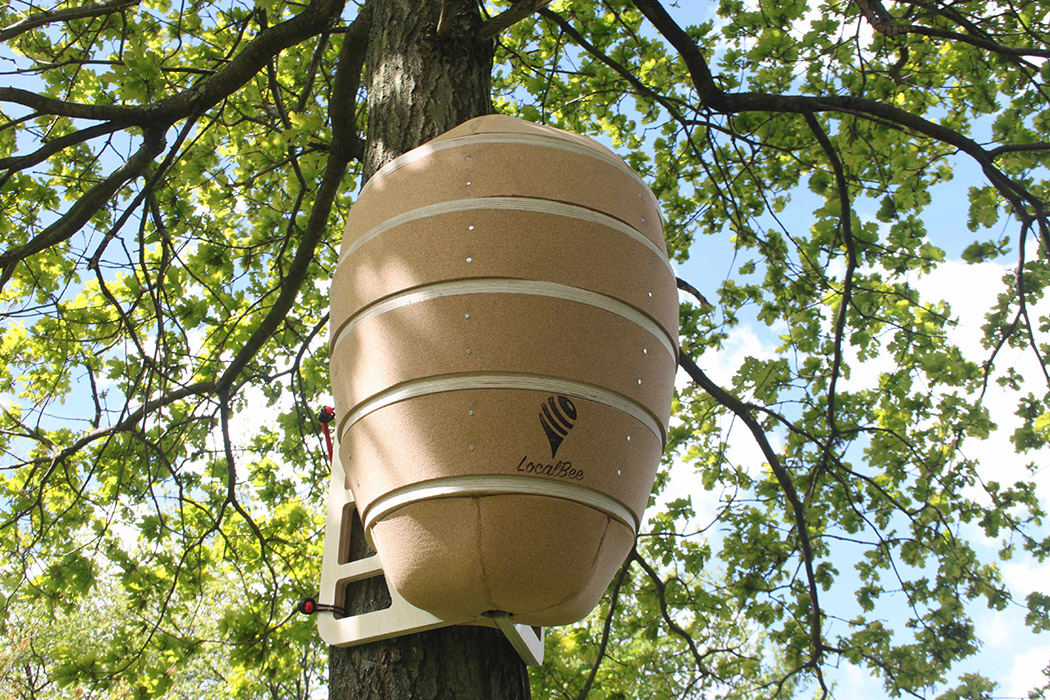
Every design has a little twist that makes it easier or better for the author to interact with the bees. The build is very similar to a regular hive with a few modifications. For instance, the frame will be half the length of your standard frame, but the concept of bee space remains the same. This miniature hive is ideal as a source of brood or raising queens. The space occupied by a medium-deep brood box can house four miniature nucs.
Ultimately, the decision to use queen excluders depends on the beekeeper’s preferences and goals. Queen excluders are an important tool in honey extraction as they prevent the queen bee from entering the honey supers. The purpose of using queen excluders is to ensure that the honey in the supers remains free from brood and the queen’s pheromones. This allows for easier honey extraction and minimizes the risk of damaging the brood during the process. One of the key considerations in bee hive design is the size and capacity of the hive. Bees require sufficient space to accommodate their growing population and store honey and pollen.
Some beekeepers feel this hive design is a more organic approach to beekeeping because bees build their own comb. Similar in some aspects to colonies housed in bee skeps. When setting up a balcony beekeeping operation, it is important to consider the size and weight limitations of the balcony. The balcony should be able to comfortably accommodate the beehives and provide sufficient space for the bees to forage and thrive. Additionally, ensuring a source of water nearby is essential for the bees’ hydration needs. Queen excluders are typically made of wire mesh or plastic with small openings that allow worker bees to pass through but prevent the larger queen bee from entering.
Inside each super are ten foundationless frames where the bees can build their comb. While this encourages the bees to build a natural comb, you can still use a centrifugal extractor to harvest the honey. Before you start building a hive from one of these plans, start learning all you can about beekeeping. There you’ll find information on how to start your own DIY beehive and how to introduce bees to the hive. Frames are removable parts that fit inside the bee boxes (hive body and supers).
“Shive” or “money hive,” this easy-to-build plan is a DIY project for beginning to intermediate woodworks and budget-conscious beekeepers. These plans for a plywood swarm box will have you attracting bees from the wild, or you could start your colony with a nucleus hive. The three basic types of beehives – the Langstroth, Warre, and top bar – are included in our roundup of DIY beehive plans, but so are some other unique beehive options. Our DIY beehive roundup includes a few, less common beehive styles. Remember to take your time and pay attention to detail when painting or staining your beehive.
It is a vertical hive design that closely resembles a traditional beehive. The Warre Hive consists of stacked boxes, each with its own top bars and a small entrance at the bottom. One of the main advantages of the Langstroth Hive is its modular design.
This method is particularly useful for beekeepers with large numbers of hives or those who prioritize time-saving techniques. It is important to note that while queen excluders are commonly used in honey extraction, some beekeepers prefer not to use them. They argue that the presence of the queen in the honey supers can actually improve the quality of the honey.